What Are Market Outdoor Umbrella Types & Their Features? The Complete Guide
- Share
- Issue Time
- Jan 6,2026
Summary
Outdoor umbrellas are essential for creating comfortable and protected outdoor living spaces, shielding users from sun and light rain. The market offers a wide variety of umbrella types, each with unique features catering to different needs and aesthetics. Key types include market umbrellas, which are traditional with a central pole, and cantilever (offset) umbrellas, known for their side-mounted pole and unobstructed shade. Specialty types like tilting, solar-powered, pagoda, wall-mounted, and

As we embrace outdoor living, prioritizing comfort and protection from the elements, especially the sun's harsh rays, becomes essential. An outdoor umbrella is a stylish and functional addition that can transform any patio, deck, or garden into a comfortable oasis. From casual breakfasts to lively evening gatherings, the right outdoor umbrella can significantly enhance our enjoyment of these spaces, shielding us from sun and even light rain.
Choosing the perfect outdoor umbrella, however, can be overwhelming due to the sheer variety of types and features available in the market. Understanding the different outdoor umbrella types and their features is key to making an informed decision that will best suit your specific needs and outdoor aesthetic. Let's delve into the world of outdoor umbrellas to help you navigate through the options and find the ideal shade solution for your outdoor sanctuary.
Key Takeaways
- Diverse Types: The main types of outdoor umbrellas are market, cantilever (offset), and various specialty models like tilting, solar-powered, and wall-mounted umbrellas.
- Functionality is Key: Market umbrellas are classic and ideal for dining tables, while cantilever umbrellas offer unobstructed shade for larger, more flexible seating areas.
- Material Matters: Canopy fabrics (like acrylic and olefin) and frame materials (like aluminum and wood) determine the umbrella's durability, weather resistance, and lifespan.
- Stability is Non-Negotiable: The right size and weight for your umbrella base are critical for safety, especially in windy conditions.
- Strategic Features: Tilting mechanisms, 360-degree rotation, and wind vents are important features that enhance usability and longevity.
Exploring Diverse Outdoor Umbrella Types and Their Features
Choosing the right umbrella begins with understanding the fundamental designs available. Each type offers a unique approach to providing shade, tailored to different spaces and functional requirements. From the traditional center-pole market umbrella to the modern, space-saving cantilever design, the ideal choice depends on your furniture layout, the size of your area, and your aesthetic preferences.
Market Outdoor Umbrella Types and Features
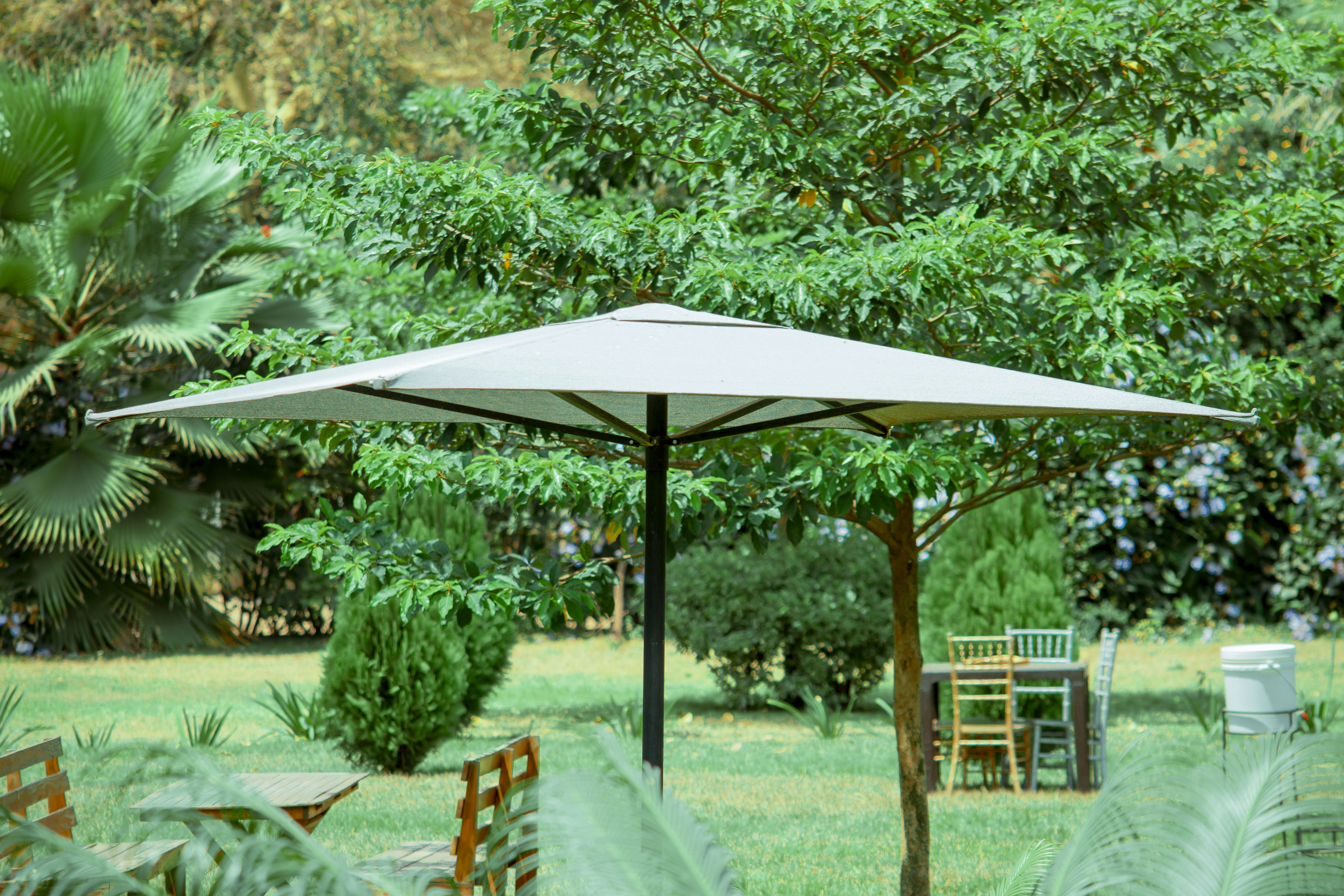
Market umbrellas are the most traditional and widely recognized style of patio umbrella. You've likely seen them in residential backyards, at sidewalk cafes, and in open-air markets. They are defined by a straight, central pole that supports the canopy and fits into a weighted base or through a hole in a patio table.
Classic Design and Versatility
The market umbrella boasts a timeless design that is both simple and effective. Its history traces back to ancient civilizations that used large, sturdy parasols to shade market stalls. Today's market umbrellas retain that classic silhouette, typically with a round or octagonal canopy, making them a versatile choice that blends seamlessly with traditional decor. They are available in a wide range of sizes, from 6 to 13 feet in diameter, making them suitable for various settings. This versatility allows them to be used in dining areas, poolside lounges, and gardens.
Key Benefits and Ideal Usage
The primary benefit of a market umbrella is its straightforward functionality and stability, especially when anchored through a dining table. This setup makes it an excellent choice for shading outdoor eating areas. Because of their generally more compact design compared to other types, market umbrellas are also well-suited for smaller patios, balconies, and other tight spaces. They provide excellent protection from UV rays and can also shield you from light rain, extending the enjoyment of your outdoor space in various weather conditions. Their simple construction often makes them easy to set up, take down, and store.
Cantilever (Offset) Outdoor Umbrella Types and Features
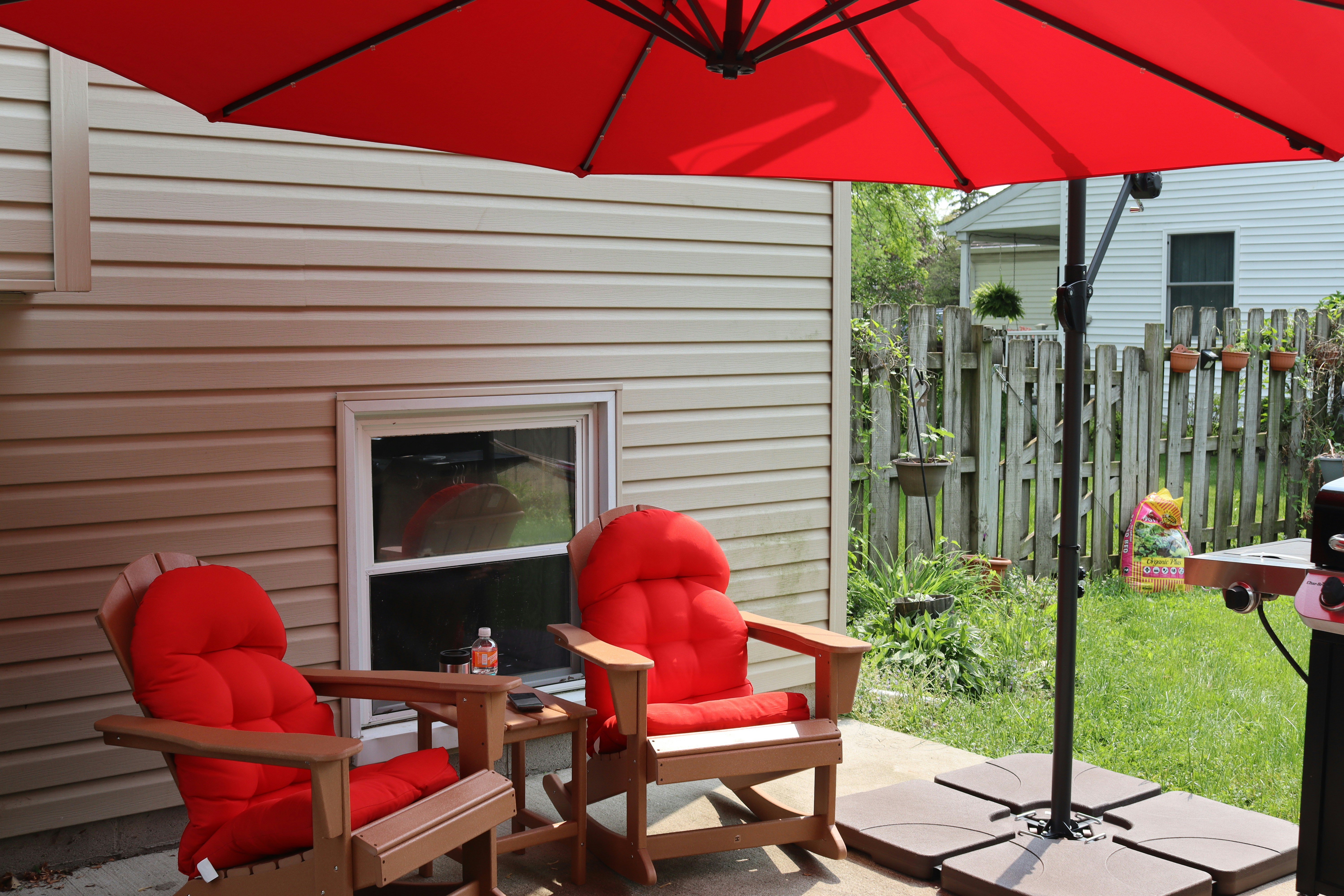
A cantilever umbrella, also known as an offset or side-post umbrella, is a modern and highly functional shade solution. Unlike a market umbrella, its pole is positioned off to the side, and the canopy is suspended from an articulated arm that arches over the desired space. This innovative design is what sets it apart and is the source of its primary advantages.
Innovative Design for Unobstructed Shade
The most celebrated feature of a cantilever umbrella is the creation of a completely open and unobstructed space beneath the canopy. By removing the central pole, it unlocks total freedom for furniture arrangement, making it the perfect solution for large sectional sofas, conversation pits, hot tubs, or poolside lounge chairs where a pole would be a physical and visual barrier. This design allows for an uninterrupted flow, making outdoor areas feel larger and more inviting.
Benefits in Coverage and Flexibility
Cantilever umbrellas offer superior flexibility and shade coverage. Most models are engineered with advanced features like 360-degree rotation and multi-position tilting. This allows you to pivot the canopy to track the sun's movement throughout the day, providing continuous, targeted shade without needing to rearrange your furniture. This adaptability makes them ideal for covering large or unconventionally shaped areas and offers a level of dynamic shade control that traditional umbrellas cannot match. Their impressive coverage and modern aesthetic make them a popular choice for both residential patios and commercial settings like restaurants and resorts.
Specialty Outdoor Umbrella Types and Their Features
Beyond the two main categories, a world of specialty umbrellas offers unique features designed to solve specific problems or add a distinct touch of style and convenience to your outdoor living space.
Tilting Outdoor Umbrellas
A tilting umbrella allows you to angle the canopy to block the sun as it moves across the sky. This feature is a significant upgrade from a stationary umbrella, providing more consistent shade throughout the day. Mechanisms vary from a simple push-button tilt on more basic models to more sophisticated crank-activated auto-tilts, where continuing to turn the crank after the umbrella is open will cause it to tilt. This functionality is especially useful for areas where you want to enjoy all-day protection without moving the entire umbrella.
Solar-Powered Outdoor Umbrellas
Solar-powered umbrellas integrate technology with shade, featuring built-in LED lights along the ribs. These lights are powered by a solar panel mounted on top of the canopy, which charges a rechargeable battery during the day. As evening falls, you can switch on the lights to create a warm and inviting ambiance for dining or relaxing, without the need for external power sources or cords. This makes them a cost-effective and eco-friendly choice for extending the usability of your patio into the night. Some advanced models even include USB ports for charging devices.
Pagoda Outdoor Umbrellas
For those looking to make a stylistic statement, the pagoda umbrella is an elegant choice. It is distinguished by its unique, multi-tiered canopy shape that resembles the architecture of traditional Asian pagodas. This tiered design is not just for looks; it can also help with wind resistance and water runoff. Available in a variety of bold colors and patterns, pagoda umbrellas add a touch of sophistication and charm to patios, gardens, and poolside areas, serving as both a functional shade provider and a decorative focal point.
Wall-Mounted and Half Outdoor Umbrellas
Designed specifically for tight spaces, wall-mounted and half umbrellas are brilliant, space-saving solutions. A wall-mounted umbrella attaches directly to a sturdy exterior wall, eliminating the need for a pole or base on the ground. This is perfect for small balconies, narrow patios, or walkways where floor space is at a premium. They often feature tilting and rotating capabilities for flexible shade. A half umbrella has a flat back and half a canopy, designed to sit flush against a wall or fence, providing shade for small bistro sets or doorways without taking up valuable square footage.
Key Features: Material, Size, and Stability for Your Outdoor Umbrella
An umbrella’s performance and longevity depend on more than just its type. The materials used for the canopy and frame, the size of the canopy, and the stability of the base are all critical features that determine how well your umbrella will stand up to the elements and meet your needs. Making an informed decision on these aspects is an investment in years of reliable comfort and style.
Selecting Optimal Canopy Materials and Their Features
The canopy is your first line of defense against the sun and rain, so its material is paramount. Key factors to consider are UV protection, water resistance, colorfastness (resistance to fading), and overall durability. A fabric's ability to block UV radiation is measured by its Ultraviolet Protection Factor (UPF) rating; a higher rating means better protection.
| Canopy Material | Key Features | Best For |
|---|---|---|
| Solution-Dyed Acrylic | Considered the gold standard, this fabric is exceptionally durable, fade-resistant, and water-resistant. It holds color for years and often comes with a high UPF rating for excellent sun protection. | High-end residential and commercial use, especially in areas with intense sun exposure. |
| Olefin (Polypropylene) | A durable synthetic fabric that is highly resistant to stains, mildew, and moisture. It offers good colorfastness and UV protection at a more moderate price point than acrylic. | Areas with high humidity or frequent rain; a great balance of performance and value. |
| Polyester | A popular and cost-effective choice. While basic polyester can fade, solution-dyed polyester offers much better color retention and UV resistance. Many polyester canopies are coated for water resistance. | Budget-conscious buyers or areas with less intense, direct sunlight. |
It's important to note that fabric density and color also play a role. Denser, more tightly woven fabrics generally block more UV rays. Darker colors tend to absorb more UV radiation, often providing slightly better protection than very light colors.
Understanding Frame Materials and Their Features
The frame is the backbone of your umbrella, providing the structural integrity needed to support the canopy and withstand wind. The primary materials used for umbrella frames are aluminum, steel, and wood, each offering a different balance of strength, weight, and aesthetic appeal.
| Frame Material | Key Features | Best For |
|---|---|---|
| Aluminum | Lightweight, rust-proof, and durable, making it the most common and versatile choice. Powder-coating adds extra protection and color options. It offers a great blend of convenience and strength for everyday use. | Most residential settings, especially in humid or coastal climates and for umbrellas that may be moved often. |
| Steel | Extremely strong and heavy, providing maximum stability. It's often used for large cantilever umbrellas or in high-traffic commercial settings. Prone to rust if the protective coating is scratched. | Windy locations, large umbrellas, and permanent or commercial installations where maximum stability is prioritized over portability. |
| Wood | Offers a classic, natural aesthetic that blends well with garden environments. Hardwoods like teak or bamboo are resistant to insects and decay but require more maintenance (e.g., sealing) to prevent weather damage and fading. | Creating a warm, sophisticated look in less windy, sheltered environments where aesthetics are a top priority. |
| Fiberglass | Often used for the ribs of an umbrella, fiberglass is highly prized for its flexibility. It can bend in strong winds without breaking and then return to its original shape, making it exceptionally wind-resistant and durable. | Windy locations, as its flexibility helps prevent damage that could snap more rigid frames. |
Sizing Your Outdoor Umbrella and Its Features Appropriately
Choosing the correct umbrella size is crucial for ensuring adequate shade and maintaining the visual balance of your outdoor space. A canopy that's too small will leave you exposed, while one that's too large can overwhelm your patio. The size of an umbrella is measured by its diameter when fully open.
A general rule of thumb is to select an umbrella that extends at least two feet beyond your seating area or table on all sides.
Here’s a quick guide to help you match your umbrella to your space:
- 6–8 ft. Umbrella: Ideal for small bistro sets (up to 36" table) or a pair of lounge chairs.
- 9–10 ft. Umbrella: The most popular size, perfect for 4-6 person dining sets (up to 62" table).
- 11 ft. or Larger Umbrella: Best for large dining tables (6-8+ people) or extensive lounge areas that require significant coverage.
To measure an umbrella's size, open it fully and measure the distance from the tip of one rib to the tip of the opposite rib. For octagonal umbrellas, this gives you the diameter.
Choosing the Right Base for Outdoor Umbrella Stability and Features
An umbrella is only as safe and stable as its base. An inadequately weighted base is a significant safety hazard, as a gust of wind can easily lift the umbrella, causing damage or injury. The weight of the base you need is directly related to the size of your umbrella and whether it will be freestanding or used through a table.
General Weight Guidelines:
- Through a Table: The table provides extra stability, so a lighter base may suffice. For most market umbrellas up to 9 feet, a 50 lb base is often recommended.
- Freestanding: The base is the sole source of support. A common rule is to have at least 10 pounds of base weight for every foot of canopy diameter.
- 9 ft. Umbrella: Requires a minimum base weight of 90 lbs.
- 11 ft. Umbrella: Requires a base of 110 lbs or more.
- Cantilever Umbrellas: Due to their offset design, these require much heavier bases, often 70 kg (over 150 lbs) or more, to counterbalance the canopy's weight.
Types of Bases:
- Solid Bases: Made from materials like cast iron, steel, or concrete, these are heavy and ready to use. Decorative cast iron designs are common.
- Fillable Bases: These are lightweight shells, typically made of durable plastic or resin, that you fill on-site with water or sand. Sand is denser and provides more stability than water.
- Mounted Bases: For a permanent and highly stable solution, in-ground or surface-mount bases can be bolted directly to a concrete patio or wooden deck.
Always check the diameter of your umbrella's pole to ensure it will fit securely into the base's neck or sleeve.
Enhancing Outdoor Living: Placement, Wind Resistance, and Maintenance of Outdoor Umbrella Types
An outdoor umbrella is more than just a purchase; it's an addition to your lifestyle. To get the most out of this investment, it's crucial to consider where to place it for optimal function, how to ensure it withstands the elements, and what care it needs to last for years. Proper placement, smart feature selection, and routine maintenance are key to maximizing its longevity and your enjoyment.
Strategic Placement Tips for Maximum Shade Coverage with Outdoor Umbrella Features
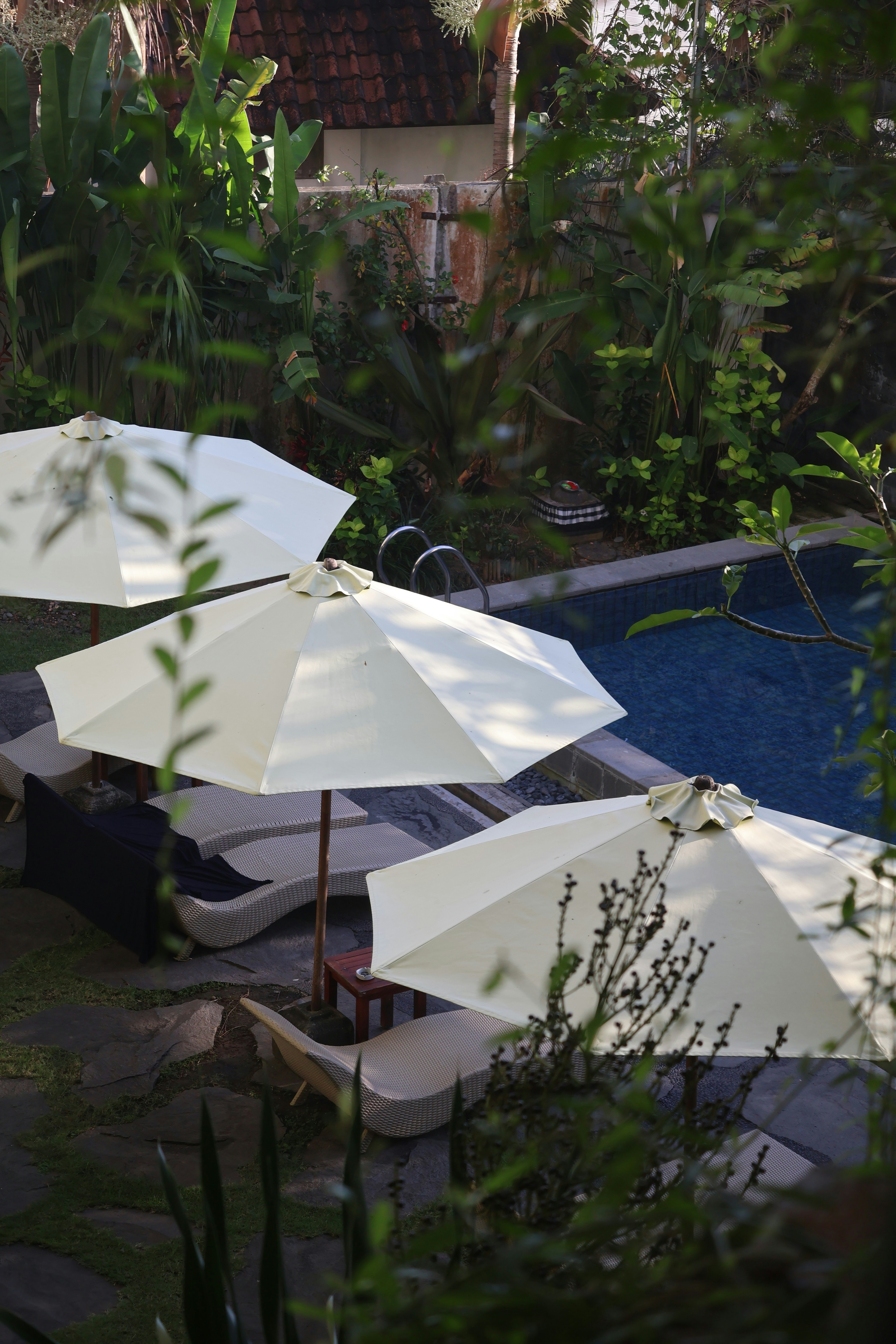
Where you position your umbrella can dramatically affect its usefulness and the overall feel of your patio. The goal is to provide consistent, effective shade where you need it most, while integrating seamlessly with your outdoor layout.
- Track the Sun's Path: Before deciding on a permanent spot, observe how sunlight moves across your patio throughout the day. Identify the areas that receive the most intense sun during the times you're most likely to be outside. If you primarily use your patio for evening dinners, protection from the low western sun will be your priority.
- Work with Your Furniture: Your umbrella should complement your furniture arrangement, not complicate it. For dining tables, a classic market umbrella placed through the center hole is a natural fit. For lounge areas with sectionals or conversation sets, a cantilever umbrella is often superior, as its offset base can be placed out of the way, leaving the space open and accessible.
- Utilize Smart Features: If your umbrella has tilting or rotating capabilities, factor this into your placement strategy. A strategically placed base, combined with these adjustable features, allows you to adapt the shade coverage significantly as the sun moves without having to relocate a heavy base.
- Consider Clearance and Flow: Ensure there is enough space to comfortably walk around the umbrella and that it doesn't obstruct important walkways or desirable views. When open, the canopy should have ample clearance from walls, tree branches, or roof overhangs to prevent damage.
Considering Wind and Weather Resilient Outdoor Umbrella Features
Wind is an umbrella's greatest adversary. Investing in wind-resistant features is crucial for safety and durability, especially if you live in a breezy area.
- Vented Canopies: One of the most important features for wind resistance is a vented or double-top canopy. These canopies have an opening at the top that allows wind to pass through, reducing the "balloon effect" where wind pressure builds up underneath and lifts the umbrella. This design significantly improves stability and reduces strain on the frame.
- Flexible Ribs: The ribs provide the shape and support for the canopy. Ribs made from flexible materials like fiberglass are highly advantageous in windy conditions. They can bend under pressure without snapping and then return to their original shape, absorbing gusts that might break more rigid materials like wood or aluminum.
- Strong and Heavy Frame: The material of the pole also plays a role in wind resistance. A thick, sturdy pole made from rust-resistant aluminum or heavy steel provides a solid foundation.
- Secure the Base: No feature is more critical than a heavy, secure base. As previously discussed, ensure your base weight is appropriate for your umbrella's size, particularly for freestanding and cantilever models. For maximum stability in high-wind areas, consider in-ground or surface-mounted bases.
- Know When to Close It: The most effective way to protect your umbrella from wind damage is to close it when not in use or when winds become strong. Staying aware of the weather forecast can help you prevent damage before a storm hits.
Maximizing Longevity: Maintenance for All Outdoor Umbrella Types and Their Features
Proper care and maintenance will significantly extend the life of your outdoor umbrella, keeping it looking great and functioning properly for many seasons.
Cleaning the Canopy:
- Regular Brushing: Periodically brush off loose dirt and debris with a soft-bristled brush before it becomes embedded in the fabric.
- Spot Cleaning: Address spills and stains as soon as they occur. For most fabrics, a simple solution of mild soap and lukewarm water is effective. Gently scrub the area with a soft sponge or brush, then rinse thoroughly with clean water to remove all soap residue.
- Deep Cleaning for Mold/Mildew: If mildew appears, a solution of one cup of bleach and a quarter cup of mild detergent per gallon of water can often be used, especially on durable fabrics like Sunbrella. Always spot-test in an inconspicuous area first. Spray the solution, let it sit for about 15 minutes, scrub gently, and rinse thoroughly.
- Air Dry Completely: After any cleaning, always leave the umbrella open to air dry completely before closing it. Storing a damp canopy will promote mildew growth and can cause an unpleasant odor.
Frame and Base Maintenance:
- Wipe Down the Frame: Regularly wipe the frame and pole with a soft, damp cloth to remove dirt and prevent buildup in the moving parts. For aluminum frames, this helps maintain the finish. For wood frames, it prevents dirt from settling into the grain.
- Inspect and Tighten: Periodically check for any loose screws or bolts in the frame and base, and tighten them as needed to ensure structural integrity.
- Lubricate Moving Parts: To keep crank lifts, tilting mechanisms, and rotating joints operating smoothly, apply a small amount of silicone-based spray or machine oil as needed.
Off-Season Storage:
- Clean and Dry First: Before storing your umbrella for the winter, give it a thorough cleaning and ensure it is completely dry.
- Use a Protective Cover: A protective cover is highly recommended. It will shield the umbrella from dust, moisture, and pests during storage.
- Store in a Dry Location: Find a dry, sheltered location for storage, such as a garage, shed, or basement. Avoid storing it directly on a concrete floor, which can draw moisture. Store the umbrella standing upright or lying flat where nothing can bend or damage it.
Frequently Asked Questions (FAQs)
Q1: What is the main difference between a market umbrella and a cantilever umbrella? The main difference lies in the pole position. A market umbrella has a central pole that goes through a table or stands in a base directly under the canopy. A cantilever umbrella has an offset pole to the side, allowing for an open, unobstructed space beneath the shade.
Q2: What is the most durable fabric for an outdoor umbrella? Solution-dyed acrylic, such as the fabric made by Sunbrella, is widely considered the gold standard for outdoor umbrella canopies. It is highly resistant to fading, UV rays, water, and mildew, ensuring it maintains its color and integrity for many years.
Q3: How heavy should my umbrella base be? The required weight depends on the umbrella size and whether it's freestanding. A general rule for freestanding umbrellas is to have at least 10 pounds of base weight for every foot of the canopy's diameter (e.g., a 9-foot umbrella needs a 90 lb base). If the umbrella is supported by a table, a slightly lighter base (around 50 lbs for a 9-foot umbrella) may be sufficient. Cantilever umbrellas require significantly heavier bases to stay stable.
Q4: Can I leave my outdoor umbrella open in the wind? It is strongly recommended to close your patio umbrella in windy conditions, especially when winds exceed 20 MPH. Even wind-resistant umbrellas with vented canopies and flexible ribs have their limits. Closing the umbrella when not in use is the best way to prevent damage and ensure safety.
Conclusion
From the timeless appeal of classic market umbrellas to the versatile, modern functionality of cantilever designs, and specialty options like solar-powered or tilting models, we've seen that each outdoor umbrella type offers a unique set of features designed to elevate our outdoor spaces. We've explored the critical importance of selecting durable materials for canopies and frames, understanding how to choose the right size for effective shade, and the absolute necessity of a stable base for safety and performance.
Ultimately, an outdoor umbrella is far more than just a simple provider of shade; it represents an investment in your comfort, your protection from the elements, and the overall aesthetic appeal of your cherished outdoor living areas. By carefully considering the diverse outdoor umbrella types and their distinct features, you can create inviting, functional, and beautiful spaces that allow you to fully and comfortably enjoy the great outdoors for many years to come. We encourage you to share this guide and discuss your own experiences to help others find their perfect shade solution