UV-Resistant Umbrella Fabric: UPF, Fading and How to Choose
- Share
- publisher
- Foris Hortus
- Issue Time
- Jun 25,2025
Summary
UV-resistant fabrics are essential for outdoor umbrellas exposed to intense sunlight. They block up to 98% of harmful UV rays, reduce fabric fading, and protect users from skin damage. Ideal for garden umbrellas, patio canopies, and poolside shade, these materials offer sun protection, water resistance, and colorfastness. This article explores how they work, the best fabric options, and how to choose the right canopy.
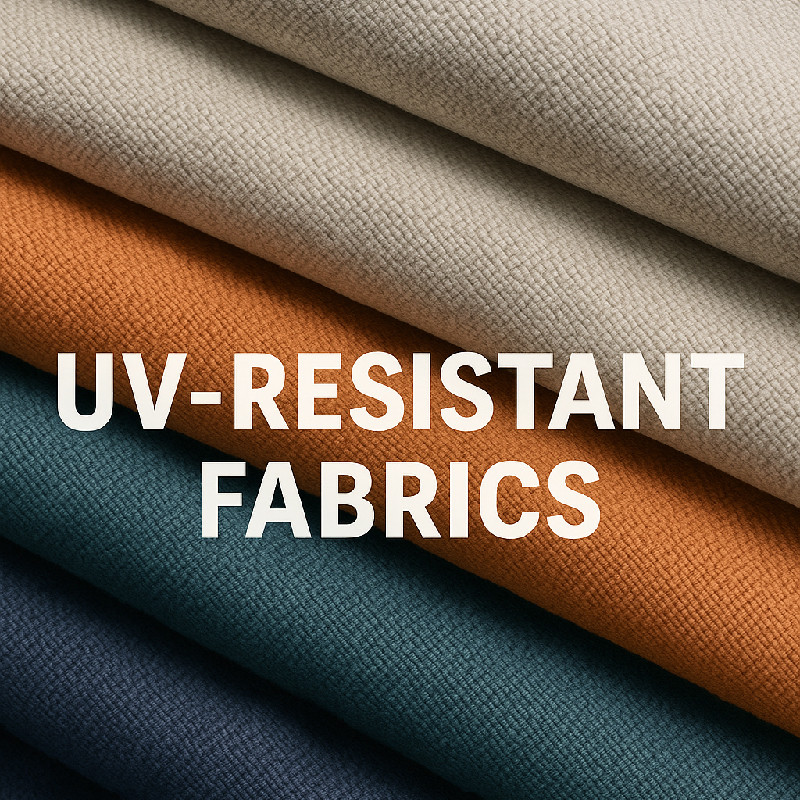
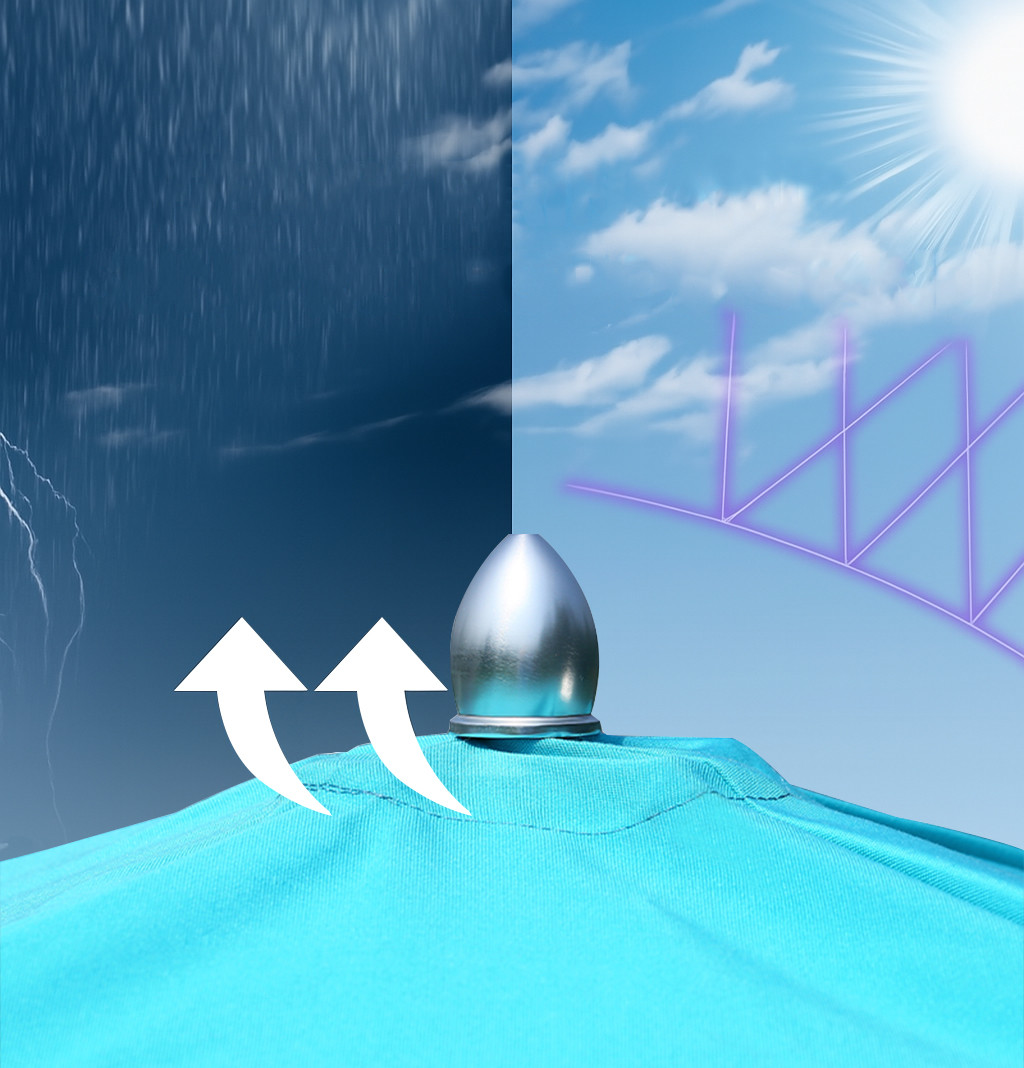
Material | UV Protection | Colorfastness | Water Resistance | Lifespan |
| Polyester | Moderate | Medium | Good | 1-2 years |
| Acrylic | Excellent (UPF 50+) | Excellent | Excellent | 3-5 years |
| Olefin | Good | Good | Good | 2-3 years |
PVC-Coated Fabric | Excellent | Excellent | Superior waterproof | 5+ years |
Related reading
- Understanding Commercial Umbrella Fabrics: Polyester, Acrylic, and Olefin Choices – commercial umbrella fabrics.
- What is the Best Umbrella Material for Your Climate? A Comprehensive Guide – best umbrella material for your climate.
- A Guide to Breathable vs. Waterproof Umbrella Materials: What You Need to Know – breathable vs waterproof umbrella materials.
- How UV Affects Outdoor Tent Fabrics: Understanding Degradation Rates – UV resistant umbrella fabric.
- Commercial Umbrella Fabrics Compared: Acrylic, Polyester and Olefin Canopies - UV resistant umbrella fabric.
Frequently Asked Questions (FAQ)
1. What does UPF actually measure?
Ultraviolet Protection Factor, which is the ratio of skin exposure under the fabric to skin exposure with no protection. UPF 50 means 2 percent of UV reaches the skin. It is measured on the fabric itself, so it tells you about the material rather than about the whole assembled umbrella.
2. Is a high UPF the same thing as a canopy that lasts?
No, and buyers conflate the two. UPF is a skin-protection figure. Canopy life is about colour fastness, which is determined by how the colour is dyed. A solution-dyed acrylic holds its colour far longer because the colour sits inside the fibre rather than on its surface, and that is a different property from the UPF rating.
3. What actually makes a canopy fade?
Ultraviolet light breaking down the dye, and it accelerates in direct, unobstructed sunlight. Polyester and olefin fade noticeably within a couple of seasons in full sun. Solution-dyed acrylic is markedly more resistant, which is why it is the standard for a terrace that has to look right in year five.
4. Does a waterproof canopy need a waterproof frame?
Not necessarily, but the joint matters. A water-resistant canopy on an open frame sheds rain through the vents and drains at the seams. What causes problems is water sitting in a joint, so the frame coating and the canopy attachment both need to be specified for the exposure.
5. How do I specify UV protection for a commercial terrace?
Ask for the UPF rating with the test standard named, the fabric type, and how the colour is dyed. Then check the fabric against the actual exposure rather than against a generic specification. A terrace that is shaded by a building for half the day needs far less than a poolside canopy in full sun.

