Custom Branded Umbrellas for Hotels and Restaurants: A Specification Guide
- Share
- Issue Time
- Feb 3,2026
Summary
A specification guide for branded terrace shade: choosing umbrella type, canopy fabric and colour matching, print placement, bases, minimums and lead times. Written for hotel and restaurant purchasers fitting out a venue, not homeowners buying a single parasol.
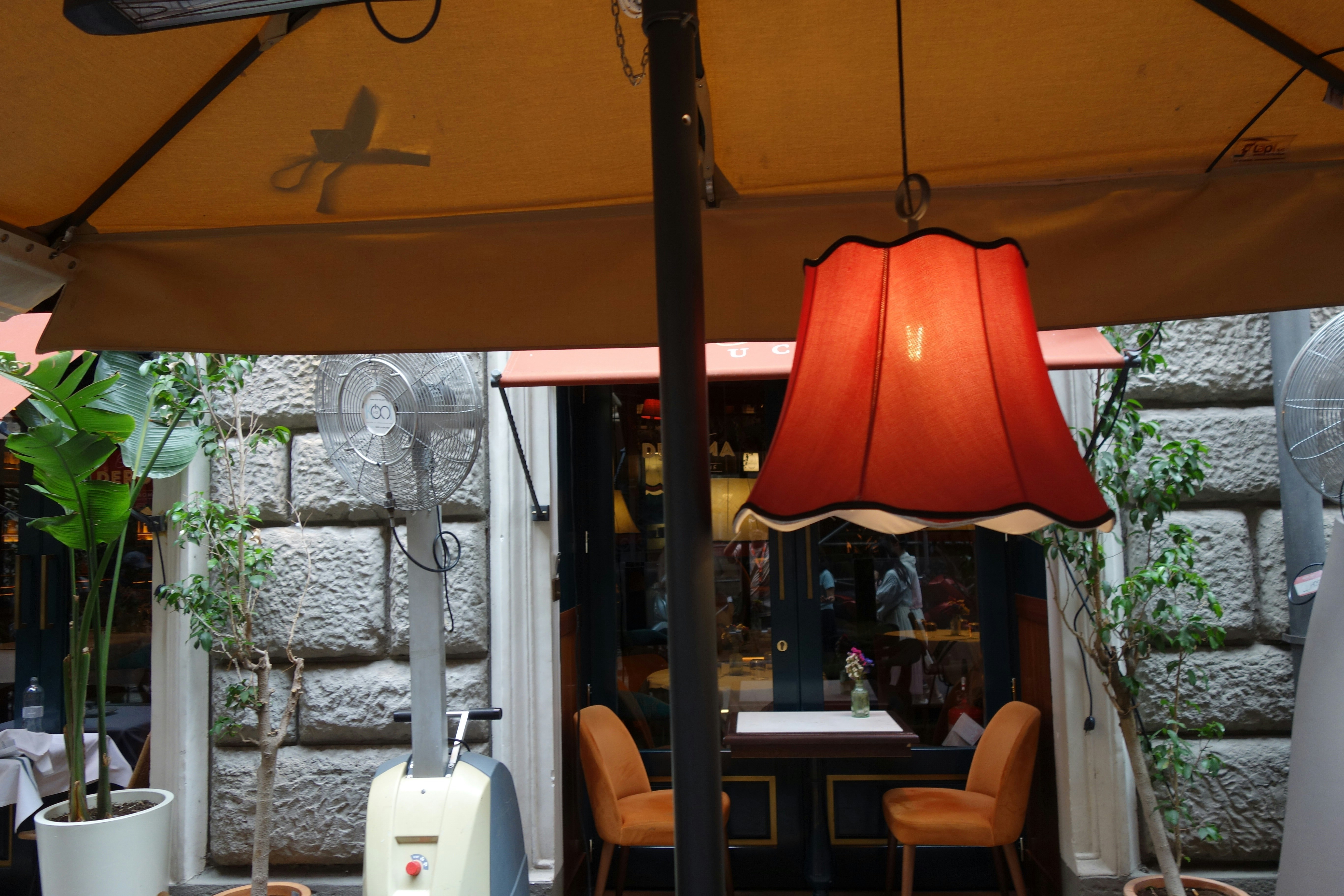
For a hotel or restaurant, a custom umbrella is a branding decision as much as a shading one: canopy size sets the coverage, print position sets how the logo reads, and the frame has to survive daily service. This guide covers the specification choices behind a branded terrace installation, from fabric and colour matching to minimums and lead times.
If you are specifying shade for a commercial terrace, this page walks through the choices that affect the quotation: umbrella type, canopy fabric, print placement, base and care. It is written for purchasers fitting out a venue rather than for a homeowner buying one parasol.
Key Takeaways
- Sun protection is a fabric specification. Specify the named fabric and its UPF rating, not just "UV protected". Solution-dyed acrylic is the common contract choice; lighter colours reflect more heat while darker shades give denser shade.
- Coverage depends on geometry. A centre-pole umbrella works over a table with an umbrella hole. A cantilever puts the mast outside the seating area, so loungers and conversation sets can be arranged freely. In both cases the canopy should extend roughly 60 cm beyond the seating edge on each side.
- Branding is a print decision. Decide early whether the logo goes on the valance or a main panel, and get a physical print sample before production. UV-resistant inks matter on a canopy that stays out all season.
- Materials drive replacement cost. Aluminium frames do not rust; powder coating or anodizing extends the finish. Solution-dyed acrylic holds colour far longer than piece-dyed polyester. The cheaper option usually shows up as an early canopy replacement.
- Ask about minimums and lead time up front. Custom colours and printed logos are made to order. Ask for the MOQ on the exact configuration, the sampling step, and the production window before you commit to an opening date.
- Water-resistant fabrics have a tightly woven structure or a special coating that causes water to bead up and roll off. They are suitable for light mist and brief showers but may become saturated during prolonged exposure.
- Waterproof fabrics, often made from materials like PVC-coated polyester, offer a complete barrier against moisture and are ideal for climates with frequent rain. However, these fabrics are typically less breathable and may trap heat.
Pros:
- Neutral colourways that stay in style across seasons.
- Generally more compact and lightweight, making them suitable for smaller spaces like balconies or bistros.
- Often more budget-friendly than cantilever styles.
- Stable design, especially when anchored through a sturdy table and a heavy base.
Cons:
- The center pole can be an obstruction, both visually and physically.
- Provides a fixed shade pattern directly around the pole, offering less flexibility.
Pros:
- Provides completely unobstructed shade, making it perfect for covering lounge sets, conversation areas, or hot tubs.
- Highly flexible, with many models offering 360-degree rotation and advanced tilting capabilities (both side-to-side and front-to-back).
- A single cantilever umbrella can shade a much larger and more varied area than a market umbrella of a similar size.
Cons:
- Heavier base. Typically 180 kg or more for a cantilever of this size. Confirm whether the base is paver-filled, water-filled or a fixed plate — they behave very differently on a windy terrace.
- More mechanism. Rotation and tilt add parts that need periodic inspection. Ask for the spare-parts list.
- Wind exposure. An offset canopy acts like a sail. Base weight and the fixing method matter more than the frame finish.
- Aluminum: The most popular choice for modern umbrellas. It is lightweight, strong, and naturally rust-resistant. Anodized or powder-coated aluminum offers enhanced protection against corrosion and scratches.
- Wood: Offers a classic, natural aesthetic. Hardwoods like teak or eucalyptus are naturally resistant to rot and insects but require more maintenance (e.g., periodic sealing) and can be heavier.
- Steel: Incredibly strong and often used for the bases or structural components of heavy-duty commercial umbrellas. It must be powder-coated or treated to prevent rust.
- Solution-Dyed Acrylic (e.g., Sunbrella®): Considered the gold standard for outdoor fabrics. The color is locked into the fibers before they are woven, providing exceptional resistance to fading. It's also breathable, water-resistant, and mildew-resistant.
- Olefin (polypropylene). Lower-cost synthetic with good stain and moisture resistance. A reasonable option where the budget is tight and the canopy will be replaced on a shorter cycle.
- Polyester. Light and quick-drying, but standard piece-dyed polyester fades noticeably under commercial exposure. If specified, ask for solution-dyed or coated versions.
- Tilt Mechanisms: Allow you to angle the canopy as the sun moves across the sky. Common types include push-button tilts, crank-to-tilt (auto-tilt), and collar tilts, which offer varying levels of convenience.
- 360-Degree Rotation: A key feature on most cantilever umbrellas, this allows you to spin the canopy around the mast to shade different areas throughout the day without moving the heavy base. This dramatically increases the umbrella's utility, especially for large, multi-functional spaces.
Printed patterns and logos are applied with UV-resistant inks. Ask for a sample of the actual print on the chosen fabric: the same design reads differently on a light canopy and a dark one.
- Logos and branding. On a commercial terrace the canopy is an advertising surface. Supply vector artwork and confirm the print position — valance or panel — then approve a mock-up before production. Ask how the print is expected to age relative to the fabric.
Logos and Branding: For commercial settings like cafes, restaurants, or hotels, custom umbrellas are powerful branding tools. Printing your company logo on the canopy turns a functional shade element into a highly visible advertisement. This not only reinforces your brand identity but also creates a professional and polished look for your outdoor seating areas. The process is often simple: you provide your artwork, and a mock-up is created for your approval before production begins.
- Fringe. Available on selected canopies for venues wanting a softer, more traditional look. Confirm how it is attached and how it is removed for cleaning before specifying it for an outdoor dining area.
- Tassels. A small detail on rib ends or valance corners. On a high-turnover site check that the fixings are secure and that replacement parts can be ordered.
- Brush Off Loose Debris: Before using any water or cleaning solutions, use a soft bristle brush to gently brush off any loose dirt, leaves, and cobwebs. This prevents you from rubbing abrasive particles into the fabric.
- Scrub Gently: Apply the soapy solution to the canopy using a sponge or soft brush. Scrub in gentle, circular motions, paying extra attention to any stained areas.
- Rinse Thoroughly: Use a garden hose to rinse the canopy completely, ensuring all soap residue is washed away. Soap residue can attract more dirt and promote mildew growth.
- Air Dry Completely: Always let the umbrella air dry in the open position. If possible, let it dry in the sun to help prevent mildew. Never close or store a damp canopy, as this is the primary cause of mildew and fabric rot.
- For many high-performance fabrics like Sunbrella, you can prepare a solution including bleach. A typical recommendation is to mix 1 cup of bleach and ¼ cup of mild soap per gallon of water.
- Spray this solution onto the affected area and let it soak for about 15 minutes before scrubbing with a soft brush and rinsing thoroughly. Always check the fabric manufacturer’s cleaning guidelines before using bleach.
- Close When Not in Use: Always close your umbrella when it's not in use, especially during windy conditions. Strong gusts of wind can damage the ribs, pole, and tilting mechanisms, and this type of wind damage is typically not covered by warranties.
- Protective cover. If the umbrella is closed for long periods, a cover reduces sun exposure and bird droppings. Make sure the canopy is dry before covering it.
- Clean and Dry Thoroughly: Before storing your umbrella for the winter, give it a thorough cleaning and ensure it is completely dry.
- Store in a Dry, Sheltered Location: Remove the umbrella from its base and store it upright in a dry, protected area like a garage, basement, or shed. This protects it from harsh winter weather, including snow and ice, which can cause significant damage to the frame and fabric.
- Check for Removable Canopies: Some umbrellas have canopies that can be easily removed from the frame. If so, you can machine wash the canopy on a cold, gentle cycle (if permitted by the manufacturer) and store it separately after it has fully air-dried.
- Corporate Parasols and Printed Umbrellas: How Hotels and Restaurants Brand Their Shade – corporate parasols and printed umbrellas.
- What are the Essential Outdoor Umbrella Types & Features You Need to Know? – essential outdoor umbrella types.
- Cantilever Umbrella vs Offset Umbrella vs Market Umbrella: Choosing the Best Shade for Your Space – cantilever vs offset vs market.
For lounge sets, poolside daybeds and any area where the furniture moves, the offset mast is usually the practical choice. Budget for the heavier base and check that the site can carry it.
Key Considerations for Your Custom Outdoor Umbrella
Once you've decided on a style, several other factors must be considered to ensure you choose the perfect model. These details will determine how well the umbrella performs and how long it lasts.
Size and Coverage: Ensuring Adequate Shade
Size is the first specification to fix. A common starting point is a canopy that overhangs the seating area by about two feet on each side; after that, check the real footprint against your table layout. Our size and shape options list the standard footprints.
Table/Area Size & Shape Recommended Umbrella Size (Diameter/Width) 30-36 inch (Seats 2) 6-7.5 feet 38-48 inch (Seats 4) 7.5-9 feet 50-60 inch (Seats 6) 9-11 feet 62-78 inch (Seats 8) 11-13+ feet Large Lounge or Sectional Set 10x13 feet Rectangular or 13+ feet Octagonal Measure the seating area, then add about 60 cm on each side. For a commercial layout also check the clearance to neighbouring tables and to the traffic route — a canopy that overhangs a walkway can be a problem even when it shades the table correctly.
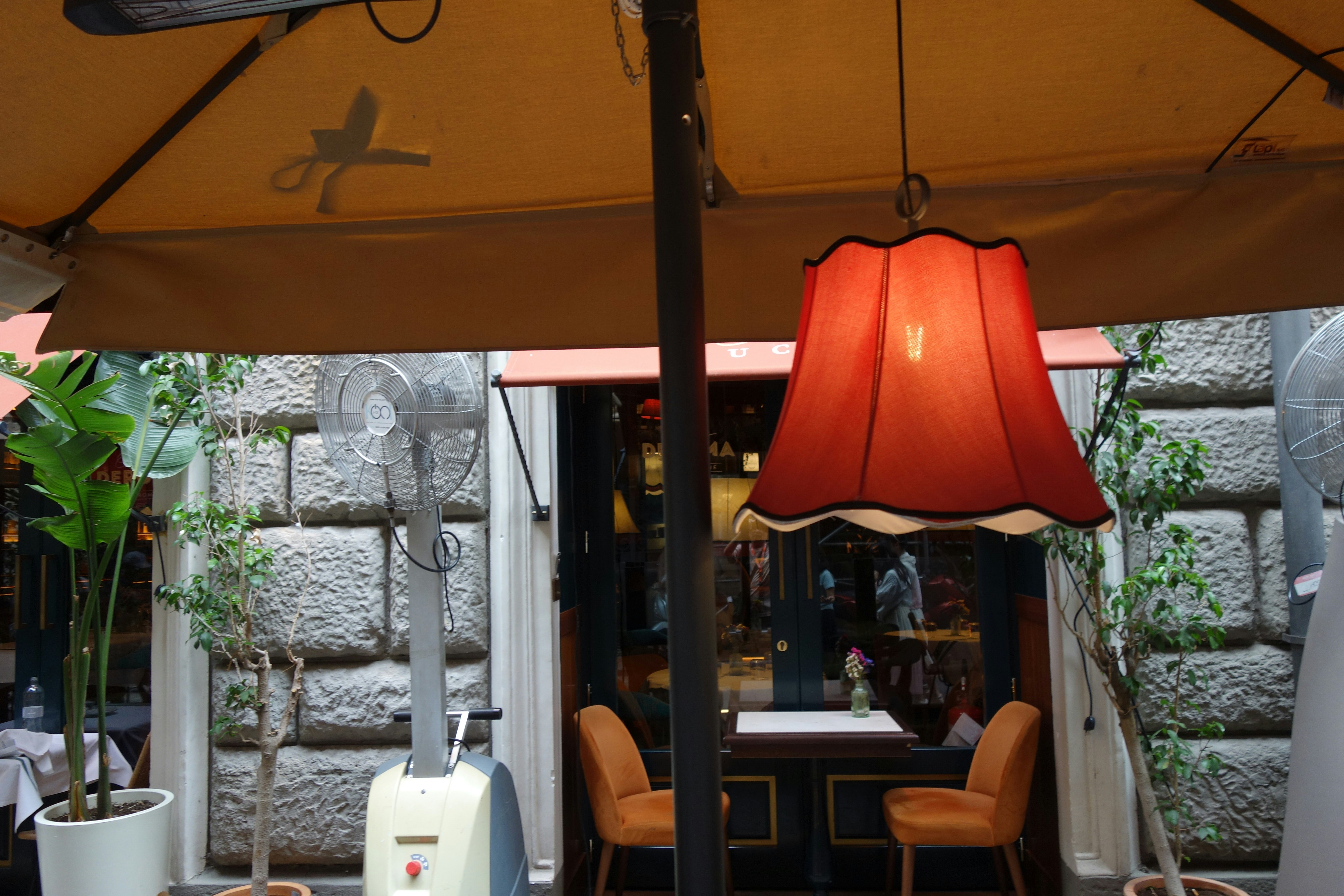
Material and Durability: Built to Last
On a commercial order the choice of frame and fabric is a replacement-cost decision. Ask what a replacement canopy will cost in year three, and whether that fabric will still be available.
Frame Materials:
Canopy Fabrics: The canopy is constantly exposed to the elements, so its material is critical for durability and protection.
Aesthetics and Style: Complementing Your Design
Colour and canopy shape should follow the furniture and the architecture already on site. For a branded venue the practical question is whether the canopy is meant to blend in or to be read as signage from the street — the answer determines both the colour and the print placement.
Features like Tilt and Rotation for Optimal Placement
To combat the moving sun, look for an umbrella with advanced positioning features.
Customization Options to Personalize Your Custom Outdoor Umbrella
Custom work usually means choosing a canopy colour from the fabric range, a frame finish, and a print design. Each has its own minimum and lead time, so confirm all three before setting an installation date.
From Specification to Sample
A custom order normally moves through four checkpoints: confirm the footprint and frame, approve a fabric swatch, approve the artwork on a printed sample, then release production. Skipping the printed sample is where most brand-colour disputes start. See our logo branding options for the methods that can be applied.
Choosing a Print Method
Screen printing suits large areas of one or two flat colours and gives the most consistent coverage on solution-dyed acrylic. Heat transfer handles finer detail and gradients but adds thickness to the fabric. Digital printing works for short runs with many colours. Ask which method is proposed for your artwork before approving the sample, and check the reverse of the fabric for cracking.
Colors, Designs, and Branding for Your Custom Outdoor Umbrella
Colour choice is usually driven by the venue palette. Send us a sample of the upholstery or a RAL reference and we will match to the nearest available fabric and frame finish.
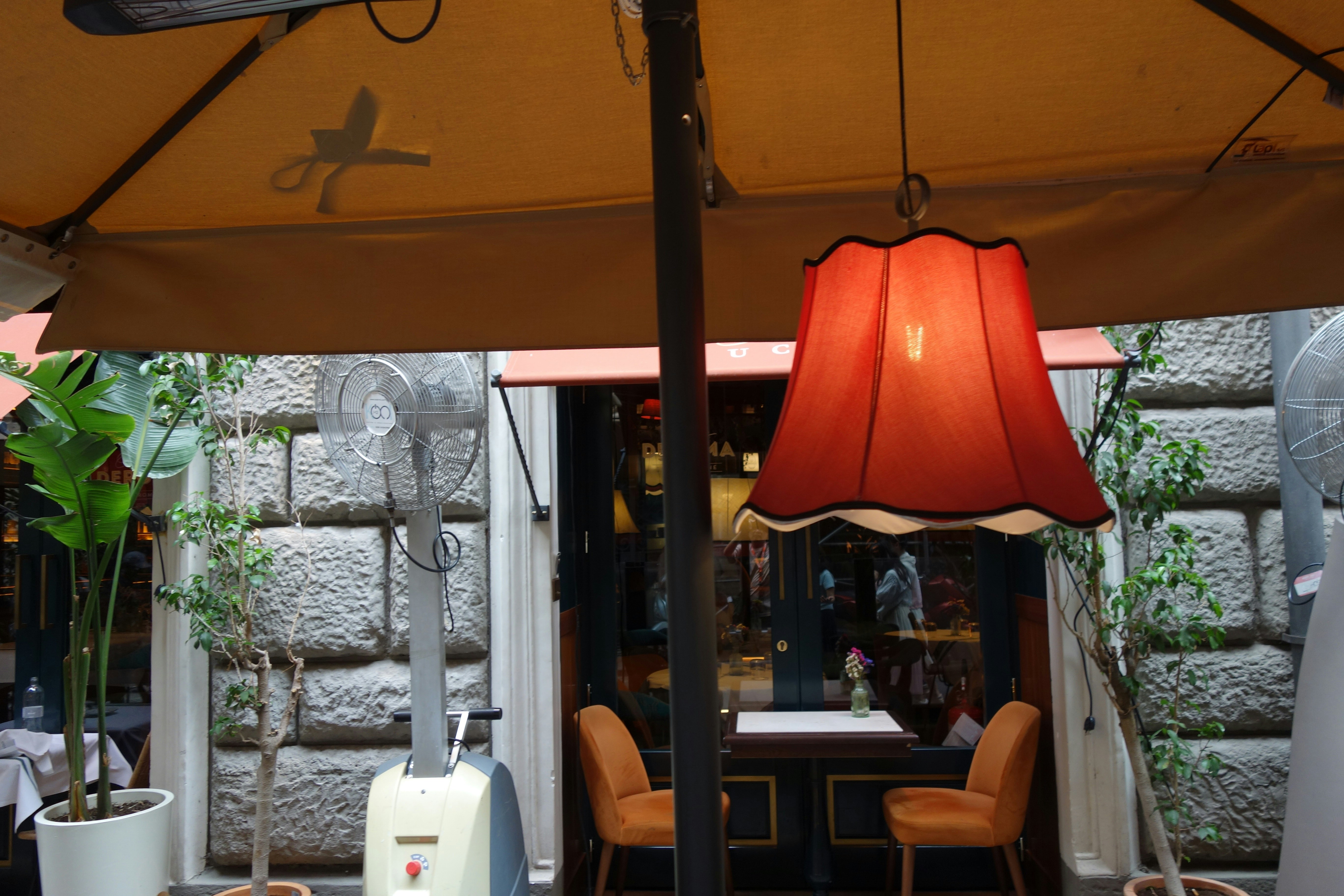
Unique Accents: Fringe and Tassels for Your Custom Outdoor Umbrella
Decorative edging is available on some canopy styles. On a commercial order we suggest treating it as an optional extra rather than a standard: anything hanging from the valance catches wind and collects dirt, and it adds a cleaning step.
If you are specifying for a busy venue, prioritise fabric, base and print placement first. Decorative details can be added later if the operating routine allows for them.
Maintaining Your Custom Outdoor Umbrella for Longevity
A maintenance routine on a commercial terrace is mostly about protecting the canopy and keeping the mechanism working. The steps below are the ones that make a difference to replacement intervals.
Regular Cleaning for Your Custom Outdoor Umbrella
Consistent cleaning prevents dirt, pollen, and grime from becoming deeply embedded in the fabric and helps to inhibit the growth of mildew.
General Cleaning Steps:
Mix a mild soap with lukewarm water. Avoid strong detergents and solvents — they damage the fabric finish and shorten its colour life. On acrylic fabrics, always check the fabric maker's care instructions before using any bleach solution.
For Stubborn Stains and Mildew: If you encounter tougher stains or mildew, you may need a slightly stronger solution.
Proper Storage and Protection for Your Custom Outdoor Umbrella
How you store your umbrella, both overnight and during the off-season, plays a vital role in its longevity.
Daily and Seasonal Protection:
Off-Season and Winter Storage:
Build these steps into the venue's closing routine rather than treating them as a seasonal job. A canopy that is rinsed and dried properly after a busy week will outlast one that is simply closed wet.
Frequently Asked Questions (FAQ)
1. Which fabric lasts longest outdoors? Solution-dyed acrylic is the standard contract choice. The pigment is integrated into the fibre, so it resists fading far better than piece-dyed polyester. It is also breathable, sheds water and resists mildew, and with regular care typically stays serviceable for several seasons. Olefin and solution-dyed polyester are lower-cost alternatives with a shorter expected life.
2. How do I choose the right size umbrella for my patio table? A simple and effective rule is to ensure the umbrella canopy extends at least two feet over the edge of your table on all sides. For example, if you have a 4-foot round table, you should look for an umbrella that is at least 8 feet in diameter. This provides ample shade for everyone seated at the table, even as the sun's angle changes throughout the day. For rectangular tables, choose a rectangular umbrella that provides similar coverage along its length and width.
3. Can cantilever umbrellas withstand wind? The offset arm acts as a lever, so a cantilever depends on both the frame and the base rather than the pole alone. Specify the base for the actual site exposure and follow the supplier's closing procedure when wind picks up. Operating instructions matter more than a general "heavy duty" claim; we set out the options in our base mounting guide.
4. What's the difference between a market umbrella and a cantilever umbrella? The main difference is the pole position. A market umbrella has a central pole that typically goes through the middle of a dining table. A cantilever umbrella has its pole and base offset to the side, allowing the canopy to hang over an area without obstruction. This makes cantilevers ideal for shading lounge furniture or conversation areas where a central pole would be in the way. Cantilevers also tend to offer more advanced features like 360-degree rotation and multi-axis tilting.
5. How do I stop a canopy fading? Start with a solution-dyed fabric and check the figure for the specific colour you want. Use a cover whenever the umbrella is closed for a long period, and rinse off salt and pollen rather than letting them sit on the fabric.
6. Is it okay to leave my patio umbrella out in the rain? Solution-dyed acrylic sheds light rain, but an open canopy left in a downpour will hold pooled water and load the ribs. Close it when a storm is forecast. Let the fabric dry fully before closing for storage; putting away a damp canopy is the usual cause of mildew.
7. How do I clean mildew off my umbrella canopy? For stubborn mildew on fabrics that can tolerate it (like Sunbrella), a solution of mild soap, bleach, and water is very effective. A common mixture is 1 cup of bleach and ¼ cup of soap per gallon of water. After applying the solution and letting it sit for about 15 minutes, gently scrub the area with a soft brush and rinse thoroughly to remove all bleach residue. Always test the solution on an inconspicuous spot first and check the manufacturer's cleaning instructions.
For a commercial terrace, the specification is straightforward once the site is known: the right format for the furniture underneath, a named fabric with a UPF rating, a base matched to the exposure, and a print design you have approved in sample form.
Send us the seating layout and the surface you are fixing into and we will come back with the configuration, the minimum order for that specification, and the current production window.
Related reading
Why a Custom Umbrella Matters for Hospitality Buyers
On a commercial terrace the umbrella does three jobs at once: it keeps a seating area usable at midday, it defines where that seating area is, and — if printed — it carries the venue name. Which of those matters most depends on the site, and it changes the specification.
Protection from the Elements with a Custom Outdoor Umbrella
The unpredictable nature of weather can quickly disrupt outdoor plans. A well-chosen umbrella stands as a reliable guardian, shielding you and your guests from both the sun's intensity and sudden downpours, ensuring your comfort and extending the time you can spend enjoying the fresh air.
Shielding from Sun and UV Rays
One of the most critical functions of a patio umbrella is to provide protection from the sun's harmful ultraviolet (UV) radiation. Excessive exposure to UV rays is linked to numerous health issues, including sunburn, premature skin aging, and an increased risk of skin cancer.
A quality outdoor umbrella acts as a physical barrier, significantly reducing the amount of direct UV radiation you're exposed to while relaxing outdoors. High-performance fabrics, such as those offered by Foris Hortus, are specifically engineered with a high Ultraviolet Protection Factor (UPF) to block the vast majority of these harmful rays. For instance, some heavy-duty polyester fabrics can block up to 98% of UV rays.
An umbrella blocks direct sun but not the UV reflected from water, paving or pale stone. Around a pool or a light-coloured terrace, plan on shade plus other measures rather than shade alone.
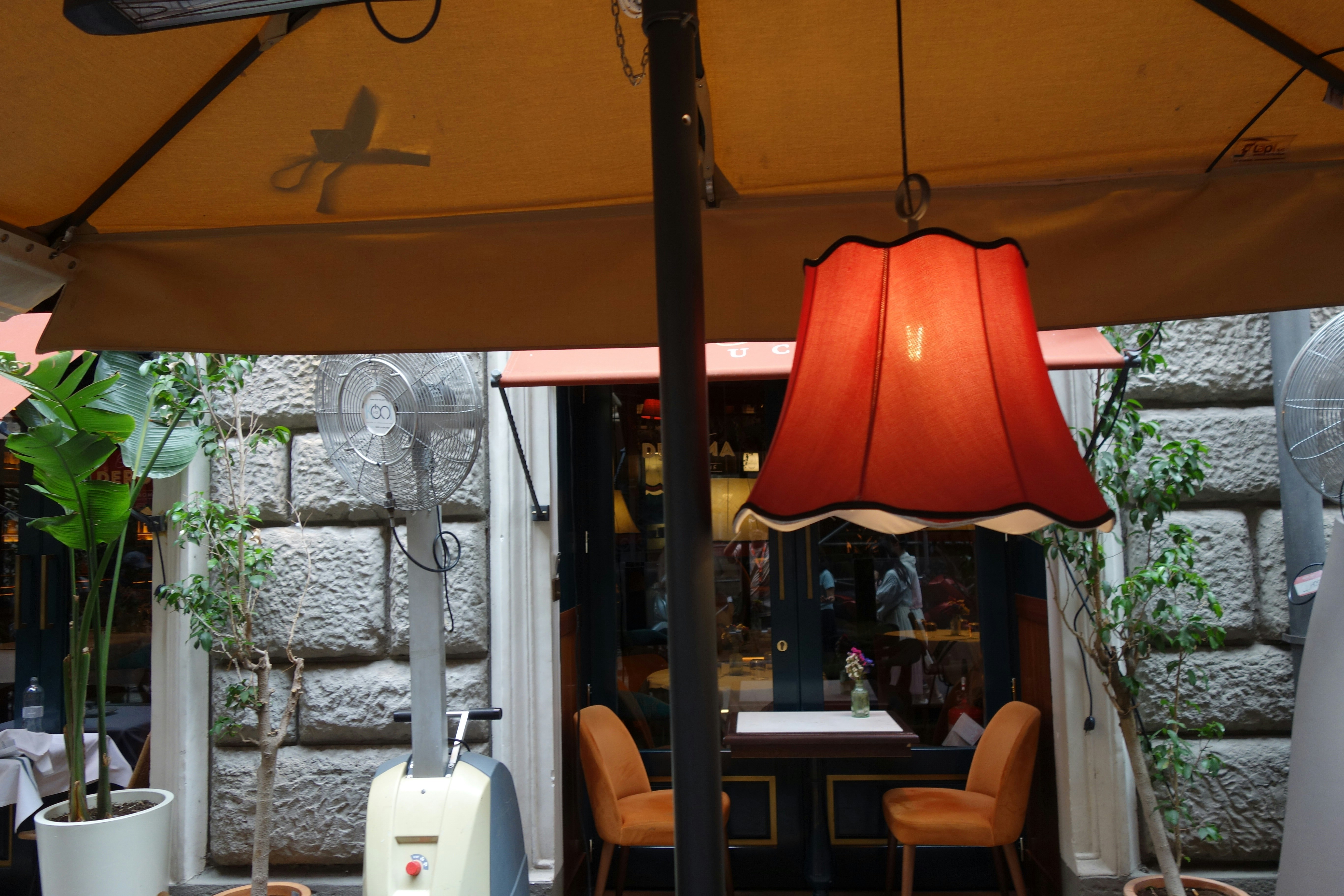
Shelter from Light Rain and Unpredictable Weather
An unexpected drizzle doesn't have to send everyone rushing indoors. A custom outdoor umbrella with a water-resistant or waterproof canopy can provide ample shelter during light rain showers, allowing your gathering to continue uninterrupted.
It's helpful to understand the difference between "water-resistant" and "waterproof" fabrics.
Many high-quality umbrella canopies, such as those made from acrylic or olefin, inherently repel water and dry quickly, which also helps prevent the growth of mildew. This feature not only keeps you dry but also protects your outdoor furniture from water damage.
Creating Comfort and Functionality with a Custom Outdoor Umbrella
A custom umbrella also does layout work. Canopy size and height decide where tables fit, how much shade each seating group gets, and whether a terrace can be used through the middle of the day.
Cooler Temperatures and Enhanced Comfort
Shade itself is the main temperature control. A canopy blocks direct sun over the seating area, which is what makes a terrace usable at midday. Claims about a specific percentage drop in perceived temperature depend on the test conditions and are not a useful way to compare umbrellas — the fabric, the colour and the airflow under the canopy all change the result. Choose on measured shade coverage and fabric performance instead.
Colour has a smaller but real effect. Beige and white reflect more sunlight and suit light-toned furniture schemes; charcoal and navy absorb more heat but give slightly denser shade and show fewer sun marks from the underside. Whichever you pick, the shade coverage itself matters more than the colour choice.
Defining Spaces and Increasing Usability
A strategically placed umbrella can act as a visual anchor, helping to define and organize your outdoor area. You can use a large cantilever umbrella to create a designated lounge area over a sofa set or a market umbrella to centerpiece a dining space. This division creates "outdoor rooms," making the space feel more intentional and functional.
For a venue, that translates into more hours of service on the same floor area. A shaded table can be sold through lunch and early afternoon; an unshaded one often cannot. Treat the umbrella as part of the seating capacity calculation, not as a finishing touch.
Choosing the Perfect Custom Outdoor Umbrella for Your Space
Most commercial installations come down to two formats. The right one depends on what is underneath the umbrella and how the staff will operate it.
Understanding Different Types of Custom Outdoor Umbrellas
The two most common styles of outdoor umbrellas are market umbrellas and cantilever umbrellas. Each offers distinct advantages in terms of placement, coverage, and operation.
Market Umbrellas: Classic and Versatile
The market umbrella is the traditional style, characterized by a straight pole located in the center of the canopy. This classic design is highly versatile and works exceptionally well with outdoor dining tables that have a pre-drilled umbrella hole.
Centre-pole umbrellas remain common where tables already have an umbrella hole and the layout is fixed. Their appeal is simplicity: fewer moving parts, a smaller base and a lower unit cost.
Cantilever Umbrellas: Flexible and Unobstructed Shade
Cantilever umbrellas, also known as offset umbrellas, feature a curved or jointed pole positioned to the side, allowing the canopy to hang freely over a designated area. This innovative design eliminates the central pole obstruction, providing an open and versatile shaded space.