A Complete Guide to Outdoor Umbrella Types & Key Features for Stylish Shading
- Share
- publisher
- Foris Hortus
- Issue Time
- Jul 3,2025
Summary
Choosing the right outdoor umbrella is more than just picking a shade — it’s about enhancing your outdoor space’s comfort, style, and functionality. In this guide, we’ll break down the main types of outdoor umbrellas, highlight their unique features, and help you select the perfect model for your garden, patio, café, or commercial venue. As a trusted manufacturer, Foris Hortus specializes in designing and producing premium custom outdoor umbrellas to meet diverse B2B needs worldwide.
This is a short overview of the main outdoor umbrella types and the features that distinguish them. Use it for quick orientation, then move to the commercial comparisons linked below for canopy size, wind behavior and base loading on a project site.
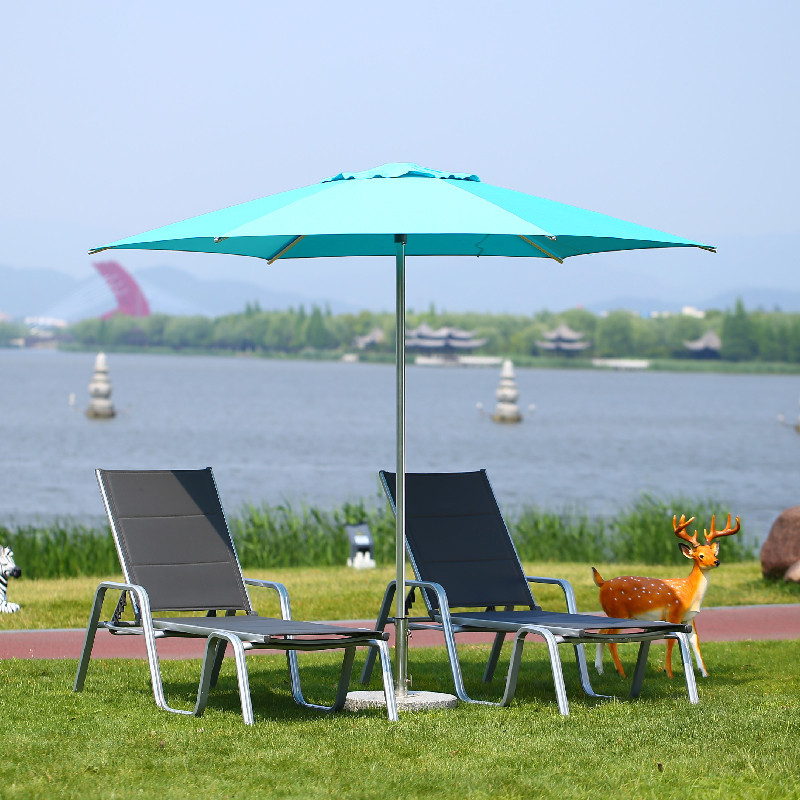
1.Center Pole Umbrellas
2.Cantilever (Roman) Umbrellas

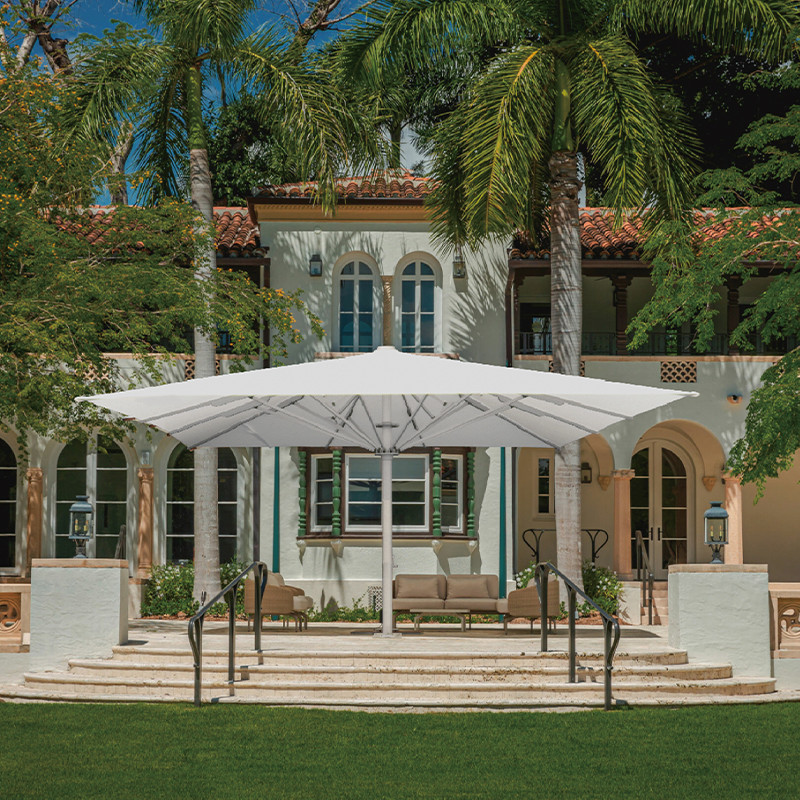
3 Commercial Outdoor Umbrellas
When choosing your umbrella, keep these must-have features in mind:
Why Choose Foris Hortus?
At Foris Hortus, we combine years of outdoor furniture expertise with innovative design. As a leading custom outdoor umbrella supplier, we serve global B2B clients seeking reliable shading solutions for hospitality, commercial, and residential projects.
From center pole to cantilever umbrellas, every Foris Hortus product is crafted with premium materials, robust construction, and stylish finishes — helping your outdoor spaces stand out while ensuring durability and ease of use.
For a commercial terrace, treat the three families above as a shortlist rather than a specification. Canopy size, pole diameter, ballast and the fixing method have to be confirmed against the site's wind exposure before an order is placed; the comparisons linked below cover those figures.
Related reading
- Outdoor umbrella types compared - canopy shapes for commercial terraces.
- Wind resistant umbrellas: vent, frame and base - wind behavior by construction.
- Eight questions buyers ask before approving a supplier - what to put in the specification file.
Frequently Asked Questions (FAQ)
1. What are the main types of outdoor umbrella?
Three families cover almost everything. Market umbrellas have a central pole and suit dining tables and defined areas. Cantilever or offset umbrellas have a side-mounted pole, leaving the floor beneath the canopy completely free. Roman umbrellas are a cantilever subtype with a heavier, often more decorative frame built for commercial and hotel use.
2. How do I choose between a market umbrella and a cantilever umbrella?
By the base and the floor. A market umbrella stands in a table hole or on a modest base and leaves the ground under the canopy obstructed by the pole. A cantilever keeps the entire floor free, which is what makes it the right choice for a pool deck or a restaurant terrace where guests walk under the shade.
3. What size umbrella should I choose?
Size the canopy to the area it has to cover with 24 inches of overhang per seated person. A 9 foot canopy suits a 48 inch table, a 3 x 3 m square covers a four-lounger bay, and a 3 x 4 m rectangle covers a longer dining run. Bigger canopies need proportionally heavier bases.
4. How do I know if an umbrella is commercial grade?
Look for four published things: the pole diameter and wall thickness, the rib material and section, the canopy fabric with its UV rating, and a wind rating with a stated minimum base mass. A residential umbrella will not have all four, because residential frames are not engineered to a load and wind standard.
5. Is a cantilever umbrella more expensive than a market umbrella?
Yes, usually by a wide margin, and most of that difference is the base and the frame engineering rather than the canopy. The total cost of ownership usually favours the cantilever where the floor area matters, because it delivers usable space that a market umbrella cannot.